
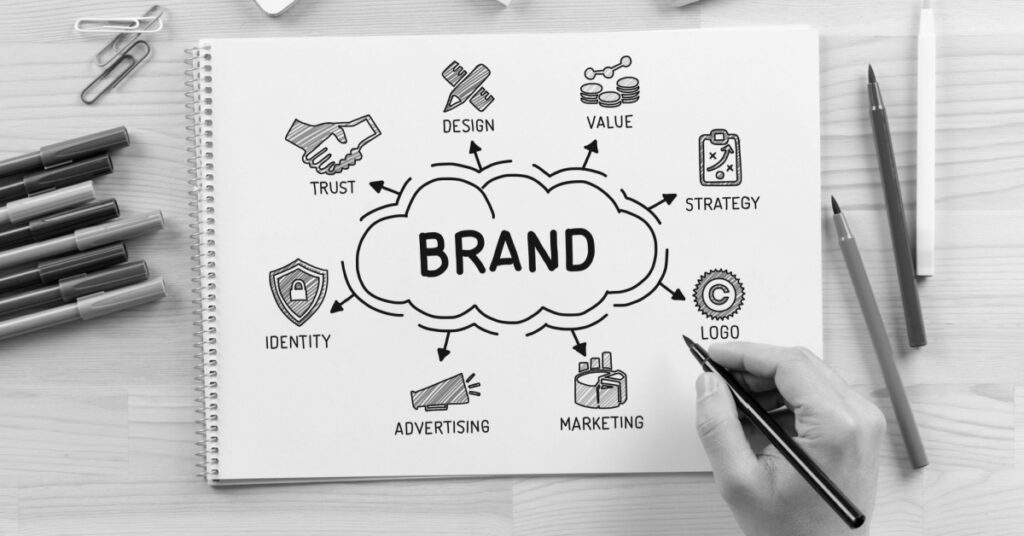
“Isn’t my logo the same thing as my branding?” If we had a dollar for every time we’d heard this, let’s just say we’d be very rich!
“Your brand is more than your logo” maybe you have heard this and are wondering what it means. You already have a beautiful logo; isn’t that enough? Unfortunately, no. Your logo really is just the tip of the iceberg, and getting a logo designed vs a branding strategy vs a visual brand identity are all different.
If you are starting or growing a business, you may wonder if you need all of these.
Branding can seem a bit vague and confusing, so let’s start with some definitions to ensure we’re all on the same page.
What is a logo?
A logo is a visual shortcut that represents a company, product, or entity. It is a unique graphic symbol that usually combines typography, imagery and colour. Logos can be wordmarks/letterforms, lettermarks/monograms, pictorial, abstract marks, mascots, emblems or a combination of any of these. Many logos are combination marks as they are the most versatile across print and digital media. All logo types and variations will still do the same thing and that is to help users identify the company, product or entity.
Image Source: Pinterest
Image source: Pinterest
What is logo design?
Logo design is simply the process of designing a logo (creating a visual mark) to identify the business. The goal with logo design is to consider the brand strategy and try to communicate the business in a simple, versatile way.
What is a brand?
A brand is a little harder to define. It encompasses every single experience or interaction a person has with a business/entity and their product/service/offering, what they think of it, have heard about it and how it makes them feel. These experiences and interactions can include anything from using a product (or seeing someone else using it), viewing Instagram posts, Google Reviews, the business’s responses to those reviews, advertisements, using the website, making a booking, talking to customer service or talking to a friend about the business.
Your logo and brand name are tangible, but your brand itself is intangible – it exists in people’s minds. You could think of a brand as its reputation, it is everything that the public thinks they know about your business.
What is branding?
Branding is a marketing tool to help convince users to choose you over competitors.
It is the process of deciding what you want customers to think of your business and why they will choose you. It involves creating a marketing and business strategy to help customers identify your company and choose you over competitors.
A branding strategy will usually include defining things such as:
- Brand purpose, mission, values (why you exist!)
- Offering (products/services)
- Target audience and customer avatars
- Positioning and pricing
- Brand identity: name, tone of voice, personality
- Communication channels: website, app, social media, email marketing, etc.
- Experience: product usage, in-store, online, customer service, workplace etc.
- Brand visual identity: logo, colours, imagery, typography, aesthetic
Every action you take and every piece of content you create as a business shapes how people perceive your brand. If you aren’t acting out your values and working towards your mission, you may not be happy with the brand you are creating.
View this post on Instagram
What is a visual brand identity?
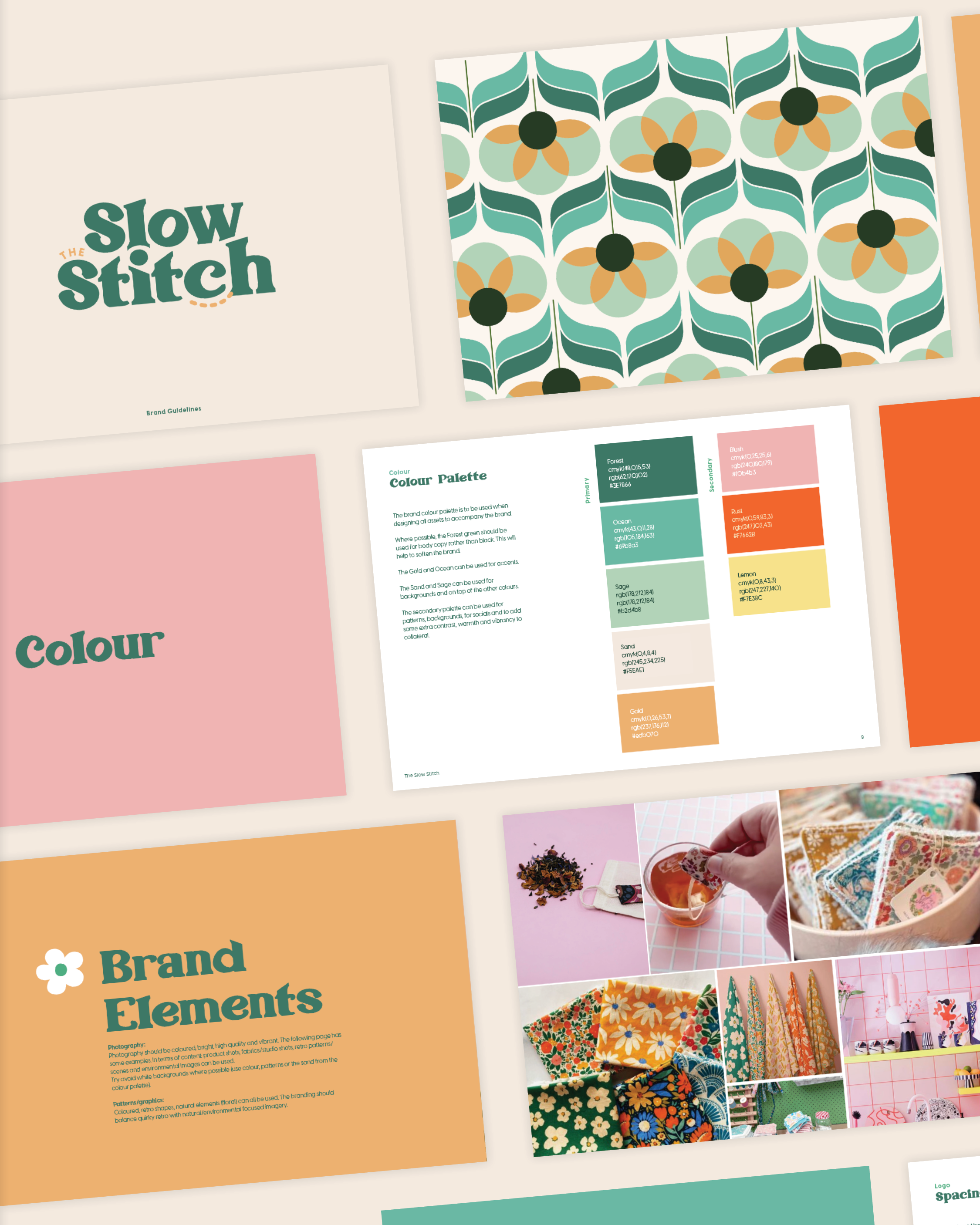
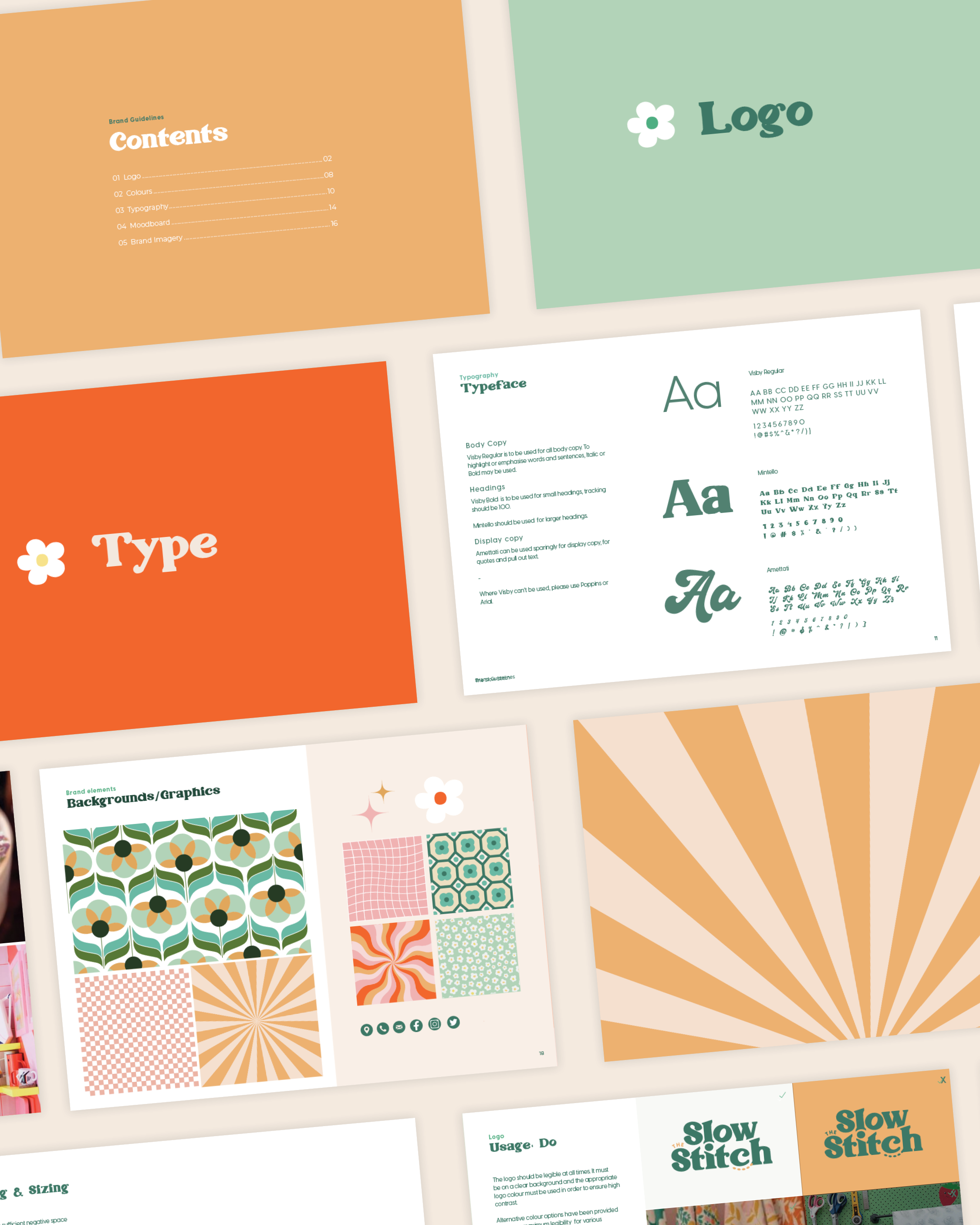
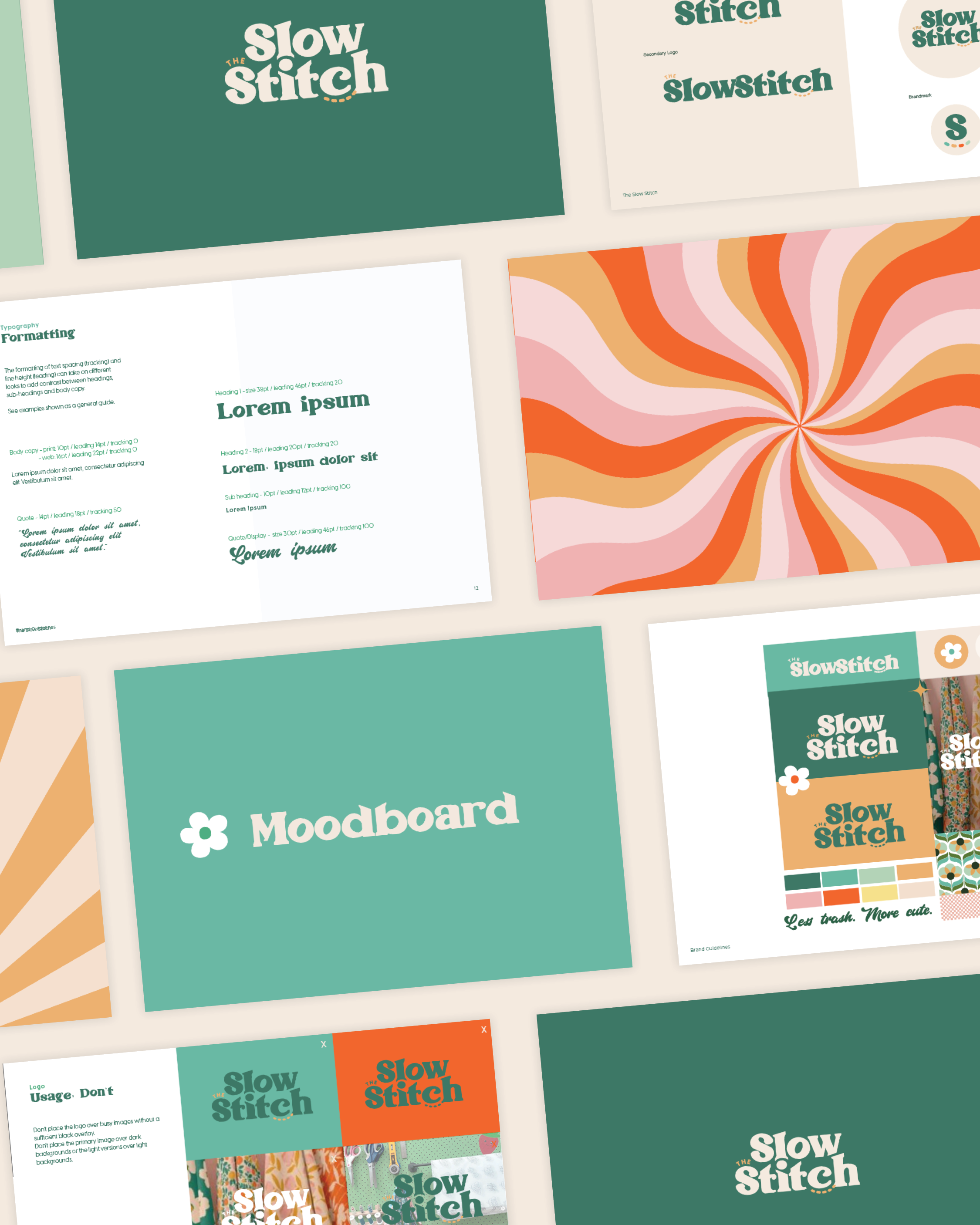
Your brand should be recognisable through any visual collateral, whether or not your logo is on it. If you choose a branding package with a graphic designer or design agency, you will expect to receive a lot more than just a logo. A visual brand identity includes a style guide document that will build a complete visual guide for how the brand should appear to the world visually. These may include things like:
- Logo
- Logo usage and variations (how to keep the integrity of the logo when using the logo on different backgrounds and mediums)
- Brand colours: primary and secondary colour palettes
- Typography: fonts and usage
- Imagery: image style and content (photography, graphics, illustrations, etc.)
- Iconography: services, socials, contact
- Digital usage: websites, social media, etc.
- Print usage: signage, documents, etc.
- Backgrounds/patterns
A guide like this will help to ensure that your branding is consistent, recognizable and professional across all channels.
The visual identity should communicate the business personality, values, and product offering and be attractive to the target audience – so for a brilliant and successful visual brand identity, a clear brand strategy needs to come first.
If a brand isn’t a logo, why is the logo so important?
As you can see, the logo is only one tiny piece of the branding puzzle. However, it is an important one as it alone identifies your brand and will appear on almost every touchpoint (website, invoices, products, social media, uniforms, etc.). It may be the first experience people have with your brand, and a good logo does a lot. It:
- Helps people easily recognise and recall the brand (memorable)
- Communicates your vibe and your brand personality
- Distinguishes you from competitors
- Gives an insight into what a consumer should expect from the brand
- Can form an emotional connection and spark an emotional response (boost brand loyalty)
- Helps a brand remain consistent over different channels, and professional
- Raises expectations, creates a professional image and builds trust
Branding and logo: why you need both
A logo on its own is just a graphic mark. Alone, a logo can’t convey meaning or trigger emotions without the brand that it is identifying.
“A logo does not sell. It identifies… It is only by association with a product, a service, a business, or a corporation that a logo takes on any real meaning. It derives meaning from the quality of the thing it symbolises, not the other way around.”
— Paul Rand
So what do I need?
- A clear brand strategy (spend time figuring this out, and every business decision you make will become easier!)
- A logo and a visual brand style guide (at the very least, colours and fonts) – make sure you stick to your style guide!
If your business is looking to develop a brand strategy or it’s time for a brand refresh, get in touch with our team today, or send us a DM at @oracoagency.




One Response