
When you think about your favourite brands, who springs to mind? Is it the local coffee shop on the corner, or perhaps a little boutique store in the next suburb? Now, consider why you love it. Chances are they’ve nailed their customer retention. This may be done through several ways, including exclusive discounts, first access to products and services, personalised experiences, milestone rewards and more.
Building a strong customer retention campaign looks at commonly used retention-based strategies as well as how and where to use them to ensure your existing clients continue to feel valued and remain loyal customers long term.
What is Customer Retention?
Customer retention is a crucial metric to include in your reporting. This information measures customer loyalty or the ability of an organisation to keep its customers over time.
It can also identify the number of loyal customers, reflect or predict satisfaction, repurchase behaviour, customer engagement and emotional ties to a brand.
Customer retention’s role in a business is vital because the cost of acquiring new customers is much higher than retaining existing customers.
To learn more about customer retention, read our blog, Attention! Let’s talk Customer Retention!
Customer Retention Strategies
As a business owner, having a solid customer retention strategy in place will help your business thrive. Here are some of our top tips to consider if you’re looking to enhance your customer retention strategy.
Have a Solid Onboarding Process
A solid onboarding process is one of the best things you can do for new customers to ensure you retain their business.
If a client has a very negative onboarding experience, they’re going to assume the rest of your product or service is designed just as poorly and probably isn’t going to stick around too long.
So, what does an onboarding process look like? This will vary depending on what kind of product or service you offer as well as whether you’re a small, medium, or large business. Your onboarding might include things like:
- Welcome emails
- Client intake form
- Account registration
- A welcome pack
- Check-in
- Feedback loop
The key to creating a solid onboarding experience is to capture all of the information you need to deliver a quality service in a timely manner. In addition to providing your clients with everything that they might need to build trust and excitement around you and your business.
Invest in your onboarding process to make sure this is a smooth process for everyone involved, and set reminders to regularly review your process. Expectations and even digital capabilities often change, which can have an impact on people’s expectations and can impact your onboarding experience.
Offer Surprises or ‘Gifts’
Who doesn’t love getting that discount code on their birthday or a message prompting $20 off for products left in your cart?! In all seriousness, when you offer your customers something valuable that isn’t planned (i.e., not something like a storewide sale), it shows your audience that you are willing to go above and beyond.
It doesn’t need to be a discount or dollar-off value either. A surprise will often work just as well. The surprise may be something as simple as a handwritten thank you note that shows your gratitude. Surprises motivate customers, and appreciation is a strong motivating factor for hard work.
Toni May demonstrated a great example of this in last year’s Black Friday sales. Our Comms Director, Jessica, is a regular customer and made a standard purchase during the sale, but was surprised to see the sale refunded an hour later, yet she also received a shipping notification indicating the product had already been sent. It turned out that the brand was giving away one order an hour as a thank you for the support of their community. Jessica was already a fan and a customer. However, this gesture made sure she told everyone around her about the experience and further increased her positivity towards the brand.
Build Brand Loyalty and Trust
Increasing brand loyalty and building trust are two of the most important things in any business.
Customers will switch to your competitors when they discover you’re not trustworthy. Nothing puts customers off more than a bad experience. Even worse than that, they’ll share their bad experience with others.
Some key stats to note about brand loyalty:
- 52% of unsatisfied customers spread the word about the bad service they received.
- 35% of customers ceased all business with the company that wronged them.
- 83% of customers will recommend your brand to others if they trust the brand.
- 82% of customers will stick to your brand if they trust it.
So you might be wondering how you can build loyalty and trust.
The best thing you can do is to communicate clearly and transparently. If there are challenges or someone has had a less than pleasant experience, address it promptly and ensure your clients feel heard.
This also extends to general communications. Building brand loyalty requires several considerations and one of those is to be careful in how you prioritise obtaining new clients vs. keeping your existing loyal customers. While we understand that there are sometimes exclusive offers available for limited periods for new customers, these should be handled sensitively and with caution.
A poor example of this would be a current and ongoing promotion from accounting software Xero. They’ve had an ongoing promotion advertised across social media, offering new clients up to 90% off their product. This is despite their long-term existing clients facing several fee increases over the past two years. The ad has several comments from clients complaining and questioning this promotion, yet these have not been addressed despite being several months old.
Nurture Your Community
Once you’ve got your community, it’s time to nurture it! Good customer service across all touchpoints is vital. This includes sending regular updates without appearing spammy, responding quickly to customer enquiries and frequently posting on social media.
Other essential aspects of the ideal customer experience include:
- Ensuring there is a simple purchasing process
- If you’re an online store, have the option for live tracking
- Providing in-depth product information
- Communicating consistent information across all channels
Leverage Customer Feedback
Lastly, utilising customer feedback to improve on areas of your business is valuable (and often underrated).
Asking your customers to answer what you did right and, more importantly, what you did wrong is one of the best ways to gather feedback on your product and your users’ experience.
Sending satisfaction surveys will show your customers that you value their opinions and are willing to listen to any feedback they may have.
On a smaller scale, you can use features like Instagram polls to involve your community and seek their opinion and feedback on anything from product styles and colours to what they value most in a product.
Customer Retention Campaigns
When turning these strategies into customer retention campaigns, there are a few ways you can approach this.
Referral-Based Customer Retention Campaigns
This type of campaign is a great way to encourage word-of-mouth marketing. It’s also an excellent way to nurture existing customers whilst acquiring new customers with 78% of B2B marketers say that referral programs generate good or excellent SQLs (sales-qualified leads).
Example: Airbnb ran a successful referral-based campaign that incentivised current users to recommend their app for a reward. When a current Airbnb user referred a friend to the app, they both received a $20 voucher (the referee had to use the code for both parties to receive the reward).
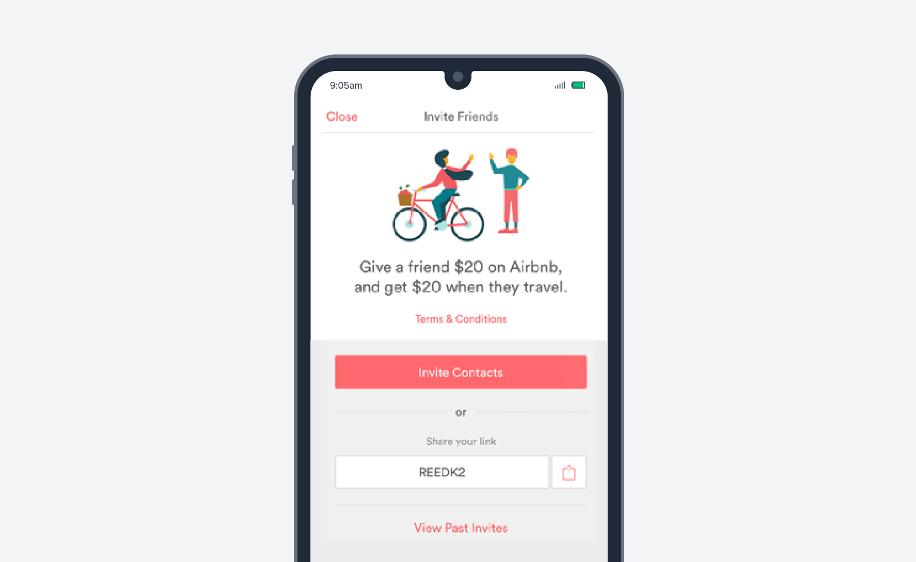
Image source: CleverTap
Onboarding Customer Retention Campaign
These campaigns are crucial as onboarding is the first step in a customer success program and can help alleviate friction or frustration if you invest time into helping users understand your product/service and its benefits. A staggering 55% of users say they have returned a product because they didn’t know how to use it. Throughout the onboarding process, 59% of users say they prioritise personalisation over the speed of onboarding.
Example: MyFitnessPal created a comprehensive onboarding process for new users on its app. It’s designed to encourage new users to log something they’ve eaten. From here, it immediately allows them to experience the ease of counting calories within the app with no guesswork or approximation. Rather than showing videos of how to use the platform, they guide users through the setup and have them enter key information to give them a starting point that they can easily reference for self-service information later.
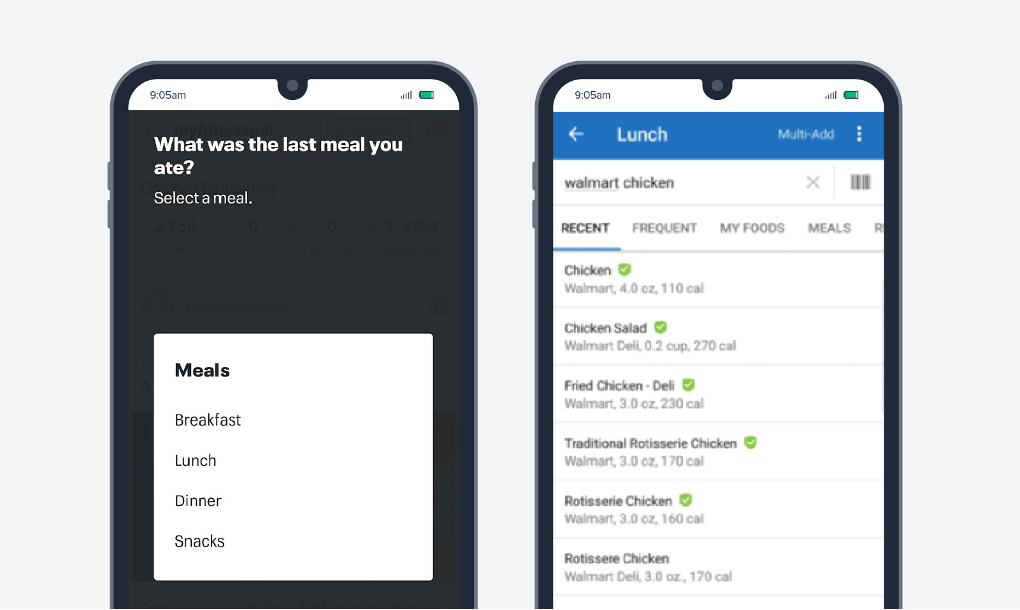
Image source: CleverTap
Loyalty and Rewards-Based Retention Campaign
Rewarding your existing customers is one of the best ways to nurture them. At their core, customers want to feel valued and spend money on brands they enjoy. With 58% of loyalty program customers purchasing at least once a month, this highlights why loyalty programs are so successful. These can work in many ways. It could be through a points system or a discount after several purchases.
Example: LSKD is a sportswear brand with a great loyalty program that enables its customers to accumulate points through a variety of mechanisms beyond purchasing. Many brand interactions accumulate points which can be added to your next purchase. This program is often complimented within their own Facebook community pages.
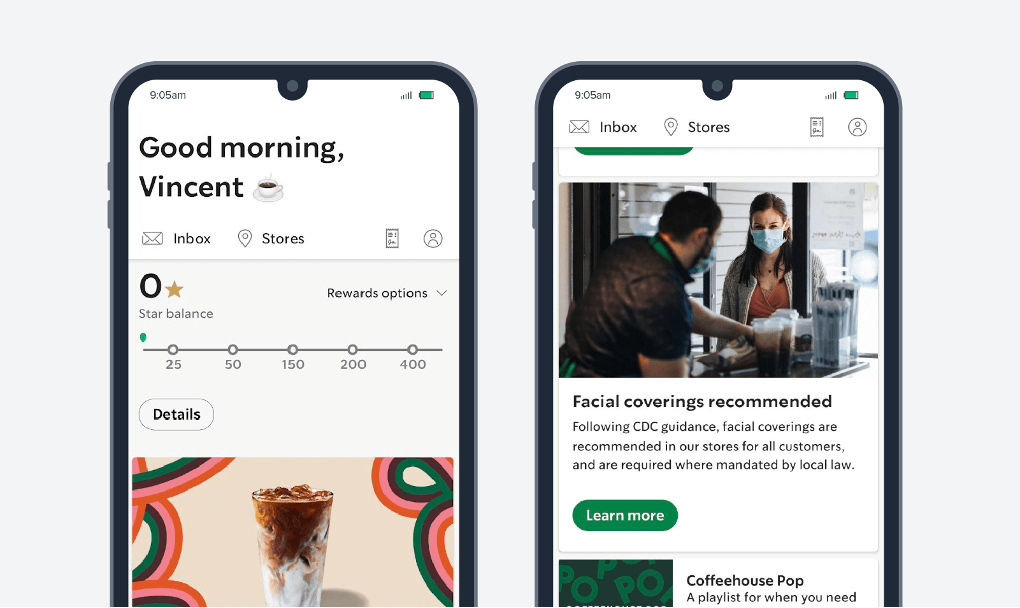
Image source: CleverTap
Customer retention campaigns are a fantastic way to nurture your existing database and build brand loyalty and trust. While these campaigns are only a few examples of ways to strengthen your brand loyalty, there are many more. If you’re looking to run a customer retention campaign but aren’t sure where to start, send us an email or DM us