
It can become quite an overwhelming concept when you think about ensuring your brand is protected online. This is because the digital space is limitless, with multiple websites and pages spanning across the ether. We have created a go-to list for you to combat this, which covers three steps to ensure your brand is protected online. Let’s jump in!
1. Trademarking:
IP Australia describes a trademark as “…a way of identifying a unique product or service. It’s a form of brand protection which distinguishes between your products or services and those belonging to your competitors.” A trademark doesn’t just consist of a logo or brand name. It can include other things such as a number, phrase, sound, shape, packaging and more. A great example is Tiffany & Co. Charles Lewis Tiffany, the founder of the jewellery giant opted to trademark the colour “Tiffany Blue” which is now used across their packaging, shopping bags and advertising.
Trademarking ensures that your business and brand have gained the exclusive rights to use this mark across various areas, including licensing and selling. Using a trademark for your brand and business also provides you with a layer of credibility to your potential consumers.
The importance of having a trademarked brand online means you have legal rights to the specific mark, word, or sound (whatever you choose to trademark). This provides you with a potential case to take legal action against other businesses or individuals who want to use it across their own digital platforms.
The protection of trademarking taking effect is evident across a range of mass eCommerce platforms such as Wish. Wish is known for offering affordable products spanning from clothing, makeup, and household items. They can keep their prices down as “the bulk of merchandise available through the app comes from distributors overseas.” Wish was caught up in a lawsuit after they were discovered selling a cheap range of counterfeit garments that mimicked Milan-based fashion label Off-White. Because Off-White had trademarked their brand and certain styles, they were able to argue that Wish was selling counterfeit versions of their garments using the same logo and trademarked icons used as a key identifier for their brand.
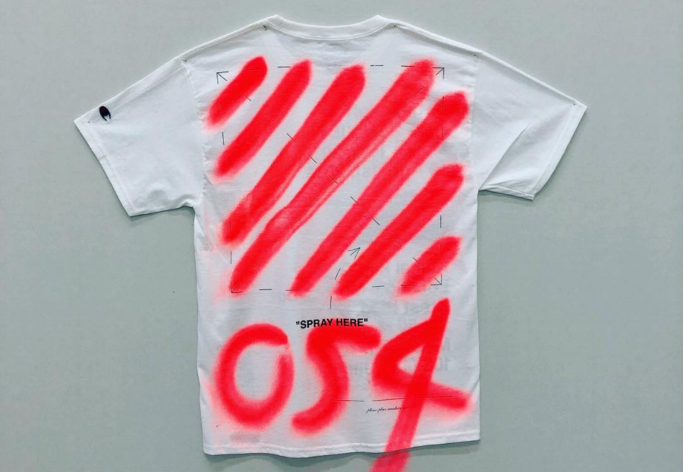
This reaffirms the value of trademarking your brand not only from a ‘real life’ standpoint but also when putting it online. There are many opportunities for people to copy your work and take credit within the digital space. Therefore, trademarking is an ideal method of brand protection.
2. Secure domains and social media accounts
Securing your web domains and social media accounts require a few steps to ensure security is established. However, once you have worked your way through these steps, you can rest easy knowing that some of your most important online platforms are secure.
Let’s start with your domain. “A domain name that points to a website hosting your generated content is still one of the most secure means to ensure that an online identity does not fall prey to hackers or hijackers.” To ensure your website doesn’t fall prey to online hackers, consider the following steps:
Purchase multiple domains
It may sound counterintuitive but having a few domains allows you to protect yourself from competitors in the industry, brand poachers and trademark protection. This can include a range of domains that align with your brand or business name such as “businessname.com, businessname.com.au, business-name.com.”
Security-focused registrar
A domain registrar is a business that sells domain names and manages the process of registering them. Ensure you work with one who is security-focused, meaning they will keep your personal information private, and the risk of domain hacking is reduced.
Use extended validation certificates
According to SSL Trust, a website security company, “extended Validation SSL certificates (EV certificates) are the highest security…solution on the market. They link your organization with your domain name for maximum customer confidence, as your Certificate Authority of choice will run an in-depth validation procedure for identity assurance.” This will also protect your website from data theft, phishing attacks, etc.
Ensure you have multi-factor authentication
This means that you add another layer of security to your website when signing in. This can include an ID verification or entering a code sent to your phone.
For social media, a few of the tips we have addressed above carry over, but a few of them differ. Let’s break it down:
Multi-factor authentication
We know it can be frustrating having to use multiple codes and passwords to log into your social accounts, but this step is in place for good reason. You would have seen it firsthand when a business on social media has been hijacked. They start posting spam-like messages to everyone on their follower list. To avoid this happening to you, ensure you have 2-factor authentication. This usually requires a code being sent to your phone for a second password. You can use a code generator on your phone that automatically generates codes to use as your secondary password when logging in on social media.
Password strength
OK, so we can tell you’re groaning already but hear us out! The shorter and easier your password is, the higher the chances of it being guessed by someone else. This means don’t use the year you were born, your kid’s age or something that can be easily accessed online. You can use apps, such as LastPass, that can generate strong passwords for you. PLUS, they keep a secure record of your passwords. This means you can make a long, complicated password, and you don’t have to worry about remembering it because your password app will do it for you!
Keep apps and software up to date
According to eSafetyCommissioner, a government body enforcing online safety laws, “New app and software updates are designed to keep your data secure. Make sure you download and install new operating systems and software on your phone, tablet or computer as soon as they become available. Install virus protection software on your computer and keep it up to date.” If you haven’t run a software update for a while, it may be time. This will ensure you have the highest level of protection.
3. Reviews and online monitoring:
Aside from people stealing your IP or cracking your passwords, the other area you need to focus on from a security perspective is what people are saying about you. It sounds harmless, right? One person leaves a negative comment about your business on Google Reviews, that’s manageable if it is just one. Unfortunately, people don’t usually stop there. They will usually spam your social account and other review websites. So, to combat this, you must have a broad view across a range of review platforms.
When ensuring you have a comprehensive approach to online reviews, there are a few key areas you can cover, including:
Claim your business
Websites including Zomato, Yelp and Google Places gather a range of public information to create profiles for your business online. This allows people to jump online and leave reviews about your brand. It’s important to take the time to claim these profiles on behalf of your business, which is completely free. This allows you to have more control over the reviews left, including responding to people’s comments.
Google Alerts
According to Business Queensland, setting up Google Alerts “…will report mentions of your business (or any other term that you request) in web pages, blogs, videos and discussions.” The great thing about Google Alerts is that you can determine the number of words you would like to track and how often these alerts hit your inbox. Google will then email you regularly with all online mentions that include the words you have listed. It acts as a great prompt for you to address any online commentary surrounding your brand.
Online reviews process
To ensure this task doesn’t fall off your priority list, allocate this responsibility to your team to manage this project. Implement a process that aligns with your brand’s needs to provide a consistent approach to reviews and responses. If your audience doesn’t feel heard, this usually adds fuel to the fire, and they will leave more negative reviews about you across a range of online platforms. Therefore, it may help to set up an FAQ document that can include a series of template responses to reviews spanning from negative to positive. How your business responds to online reviews is vital to protecting your brand.
We hope that this blog has allowed you to address your brand’s current level of online protection. If you have identified any gaps, we recommend addressing them as soon as possible. To allow for a protected and lucrative trajectory, you want to ensure your brand is protected across all fronts.
If you are confused or overwhelmed by the concept of protecting your brand online, please reach out. We have a team of experts within the digital space who can support you to protect your brand today.