
Your website is one of your most powerful strategic assets when built right. It should serve your brand purpose, engage your audience and convert clicks into meaningful action. A website strategy gives you that roadmap. It’s the why, how and what next behind your online presence.
Let’s unpack what we mean by website strategy, what goes into it, why it matters and how it shapes everything that follows.
Why a Website Strategy Matters
A website without strategy is like a shop with no clear signage, no product arrangement and no staff to greet or guide customers. It might look nice, but it’s not built to perform.
A strong website strategy gives structure, direction and measurable outcomes. It ensures that your website achieves something beyond existing. Whether that’s generating leads, driving sales, supporting a cause or amplifying your brand, strategy is what makes the difference between having a website and having a digital asset that drives growth.
So what does that actually look like in practice?
- Clarity of purpose: When you know exactly what your website is meant to achieve, every design, content and technical decision becomes easier. You stop designing for aesthetics alone and start designing for results.
- Consistency with brand: Your website is often the first impression someone has of your business. Strategy ensures that impression aligns with your brand story, tone and visual identity, not just what’s trending online.
- Better audience experience: When strategy guides design, your website feels intuitive. Users find what they’re looking for, engage with the right information and feel confident taking the next step.
Without a website strategy, you risk investing in something beautiful but ineffective. With one, you create a digital space that works for you.
Why We Start With Strategy
Before we design a single page or wireframe a layout, we start with strategy. It’s the foundation of every Oraco website.
Strategy gives us clarity. It helps us connect creativity to commercial outcomes. When we understand your goals, audience behaviours and brand personality from the outset, we can design an experience that’s not only visually strong but strategically sound.
Without strategy, design decisions become guesswork. With it, every decision has purpose, from the words on your homepage to the structure of your navigation. It’s how we make sure form and function align.
Starting with strategy also saves time and money in the long run. It avoids scope creep and confusion because we’ve already mapped how everything fits together before the build begins.
Put simply, strategy is where clarity meets creativity. It’s how we make sure your website is both beautiful and meaningful where it counts.
What’s In a Website Strategy?
A website strategy is your blueprint for building an effective digital presence. It outlines what success looks like, how users interact with your brand online, and how design and content work together to deliver measurable results.
Here’s what we include when we craft a website strategy at Oraco and why each step matters.
1. Goals & KPIs
Every great website starts with purpose. Before talking about design, we define why the site exists and what success looks like.
Are you aiming to increase enquiries, sell products, boost brand awareness or create a hub for information? Each goal changes how the site should be structured and how we measure its success.
Without clear goals, you can’t measure performance. Many businesses invest in websites without deciding what role they play in their marketing. That’s like setting sail without a compass.
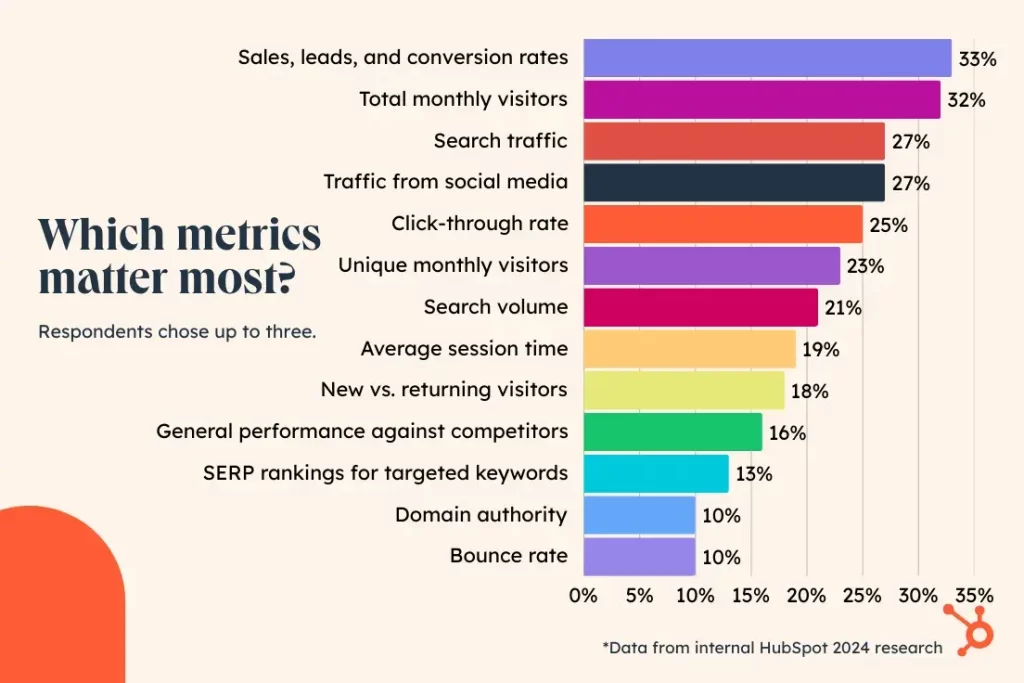
We help define your primary and secondary goals (for example, lead generation vs brand education) and match them with clear, trackable KPIs. Things like conversion rate, average time on page, bounce rate or cost per acquisition.
By setting these benchmarks early, you’ll know exactly what you’re building towards and can make informed decisions when it’s time to optimise.
2. Audience & User Journey
Your website isn’t for you, it’s for your audience. That’s why we spend time understanding who your users are, what they need and how they behave online.
We explore your ideal customer personas, their motivations, challenges, buying habits and even emotional triggers. Then we map their journey from discovery (how they find you) through to consideration (how they engage) and conversion (how they take action).
A website that speaks your audience’s language builds trust. It anticipates their needs instead of forcing them to search for answers. When a user feels understood, they’re more likely to stay, explore and convert.
Mapping the user journey also highlights friction points. Where people drop off, get confused or lose interest. In fact, benchmark data shows that nearly half of all website visits end after one page with the median bounce rate being around 44%. By identifying those drop offs early, we can design smoother experiences that guide users naturally towards action.
At Oraco, this step is often where we uncover unexpected insights. For instance, discovering that a client’s audience prefers downloadable guides over blog content, or that visitors are more likely to convert via social proof than CTAs. These learnings directly shape both design and content decisions.
3. Brand Experience
Your website is your brand, online. Every interaction, from the colours and fonts to the tone of copy, contributes to how people perceive you.
A brand-aligned website strategy ensures that your site feels unmistakably you. It translates your brand essence into a digital experience that’s consistent across every touchpoint.
Brand consistency builds credibility. If your social media, email marketing and website all tell different stories, it confuses users and weakens trust.
Your website should express your values, tone of voice and visual identity in a way that feels intentional and unified. For example, a luxury skincare brand might use elegant typography, calm tones and spacious layouts to convey sophistication, while a tech startup might lean on bright contrast, confident copy and dynamic visuals to show innovation.
When we create brand experience strategies, we think beyond aesthetics. Micro-interactions, hover states, content hierarchy and even button copy all contribute to the overall feel. Every detail should reinforce who you are and what you stand for.
4. Information Architecture & Content Strategy
If your brand is the soul of your website, then your information architecture (IA) and content strategy are the skeleton and heartbeat.
IA determines how information is structured and navigated, how pages connect, how users move between them and where content naturally fits. A clear, well organised IA helps users and search engines find what they need quickly and confidently.
Content strategy defines what you say, how you say it and why it matters. It includes everything from service pages and blogs to calls-to-action, FAQs and metadata.
Users shouldn’t have to think too hard to find information. A confusing structure leads to frustration and drop offs. The clearer your layout, the better your user experience and the higher your conversions.
A strong content strategy ensures your website communicates clearly and consistently. It connects brand voice with SEO insights, aligning what your audience searches for with what your brand wants to say.
At Oraco, we plan both structure and content before design so everything has purpose. This process also sets up your long-term content marketing making future updates, blogs and campaigns far more effective.
5. Design & Technical Considerations
This is where creativity and functionality meet. The visual design and technical setup of your site should both support the strategy we’ve defined.
We consider everything from responsive design and accessibility to site speed, hosting environment and integrations. But just as importantly, we consider emotion – how your site feels to use.
Design goes beyond looking good and should support communication. It guides users visually through content, highlighting what’s most important and encouraging interaction.
Technical performance is equally crucial. Users won’t wait more than a few seconds for a page to load, and Google’s ranking algorithms now prioritise speed, accessibility and usability. Nearly half of users expect pages to load within 2 seconds and on mobile, more than half will abandon a page if it takes over 3 seconds.
We make sure your site not only looks great but also performs flawlessly across devices. This includes mobile optimisation, clean navigation, intuitive CTAs and a backend setup that’s easy for your team to manage.
6. Measurement
Once your website is live, it shouldn’t be a set and forget. Strategy continues after launch through ongoing analysis and improvement.
We track performance using tools like Google Analytics, Hotjar and Search Console to understand what’s working and where users might be dropping off. Then, we use that data to optimise adjusting CTAs, updating content or refining SEO strategy.
A website is a living, breathing platform. Businesses evolve, audiences shift and algorithms change. Without regular review and updates, even the best websites can stagnate.
Continuous improvement ensures your website grows with you. It helps you stay competitive, improve ROI and respond quickly to new opportunities.
Here are 5 great tips for how you can improve your website and generate more clicks & traffic:
When Should You Revisit Your Strategy
The digital landscape doesn’t stand still and neither should your website. If it’s been more than two years since you last reviewed your website strategy, it’s worth revisiting as:
- New technologies and user expectations continue to evolve.
- Your business may have grown, refined its audience or refreshed its brand.
- Data and automation tools now make personalisation and lead tracking easier than ever.
Even small refinements can significantly improve performance and user engagement.
A website strategy aligns brand, audience and purpose. It makes sure design decisions are strategic, not spontaneous. And it ensures every page on your site serves a clear function in achieving your goals.
At Oraco, we never start designing without strategy because that’s where clarity, creativity and impact collide.
Are you ready to revisit your website strategy? Get in touch with us today and together we’ll map your website strategy and bring it to life.