
Every brand strives to leave a lasting impression, but this is difficult to achieve without clear branding. Branding isn’t just about creating a standout logo and communicating your ‘what’ – it’s about defining your ‘why’ and crafting a clear path to success. With a solid strategy, you’re creating a compelling narrative that drives every decision. Branding is your master plan for standing out, staying relevant and making your audience fall in love with you. It’s not just about a catchy slogan or a pretty colour palette. It’s about the heart and soul of your business – your purpose, your personality and how you connect with people.
So, what is branding, and why is it crucial for your brand’s success? Let’s break it down.
What is branding?
Branding is a long-term plan that defines who you are, what you stand for and how you’ll communicate that to the world. It’s the foundation that informs everything from your personality and messaging to your visual identity and customer experience.
Think of branding as your business’ blueprint for success. It ensures consistency, clarity and cohesion in all your touchpoints, helping your brand not just survive but thrive.
Key components of a brand
A strong brand includes:
- Brand Core and Foundations
- Vision, Mission and Values
- Personality and Tone of Voice
- Brand Archetype
- Key Messaging
- Visual Identity
Let’s dive into each of these.
1. Brand core and foundations
At the heart of every great brand is a solid core – the essence of who you are and why you exist. This includes your purpose, positioning and unique value proposition (UVP).
- Purpose: Why does your brand exist beyond making money? For example, Patagonia is driven by its commitment to environmental sustainability.
- Positioning: How do you differentiate yourself in the market? What makes you the best choice for your ideal customer?
- Unique value proposition (UVP): What specific value do you offer that no one else can?
Practical Tip: To define your brand’s purpose, ask ‘why do we exist beyond profit?’ and ‘what difference do we want to make?’
When these foundations are strong, your brand has a clear direction and a deeper connection with your audience.
2. Vision, mission and values
These guiding lights are essential to your brand’s strategy. Without them, you’re wandering aimlessly, hoping for success.
- Vision: Where are you headed? This is your aspirational future state. (Tesla’s vision: “To create the most compelling car company of the 21st century.”)
- Mission: What are you doing today to achieve that vision? (Tesla’s mission: “To accelerate the world’s transition to sustainable energy.”)
- Values: What principles guide your actions? These shape your culture and decision-making. (Honesty, innovation, sustainability – whatever drives your brand.)
When your vision, mission and values align, they inspire both your team and your customers, making your brand feel unstoppable.
3. Brand personality and tone of voice
Imagine your brand as a person. What would they be like? Serious and professional? Adventurous and bold? Quirky and playful?
- Brand personality: The set of human traits that define your brand. Are you the rebellious rule-breaker, the wise guide, or the reliable friend?
- Tone of voice: The way you express that personality in words. Apple sounds sleek and minimalist (For example, “Hello, Apple Intelligence.”), while Liquid Death is bold and humourous (For example, “Don’t be scared. It’s just water.”).
A consistent personality and tone of voice build trust and make your brand feel relatable.
Practical Tip: To define your brand’s personality, think about how your brand would behave in a conversation. Are they formal or informal? Playful or serious?
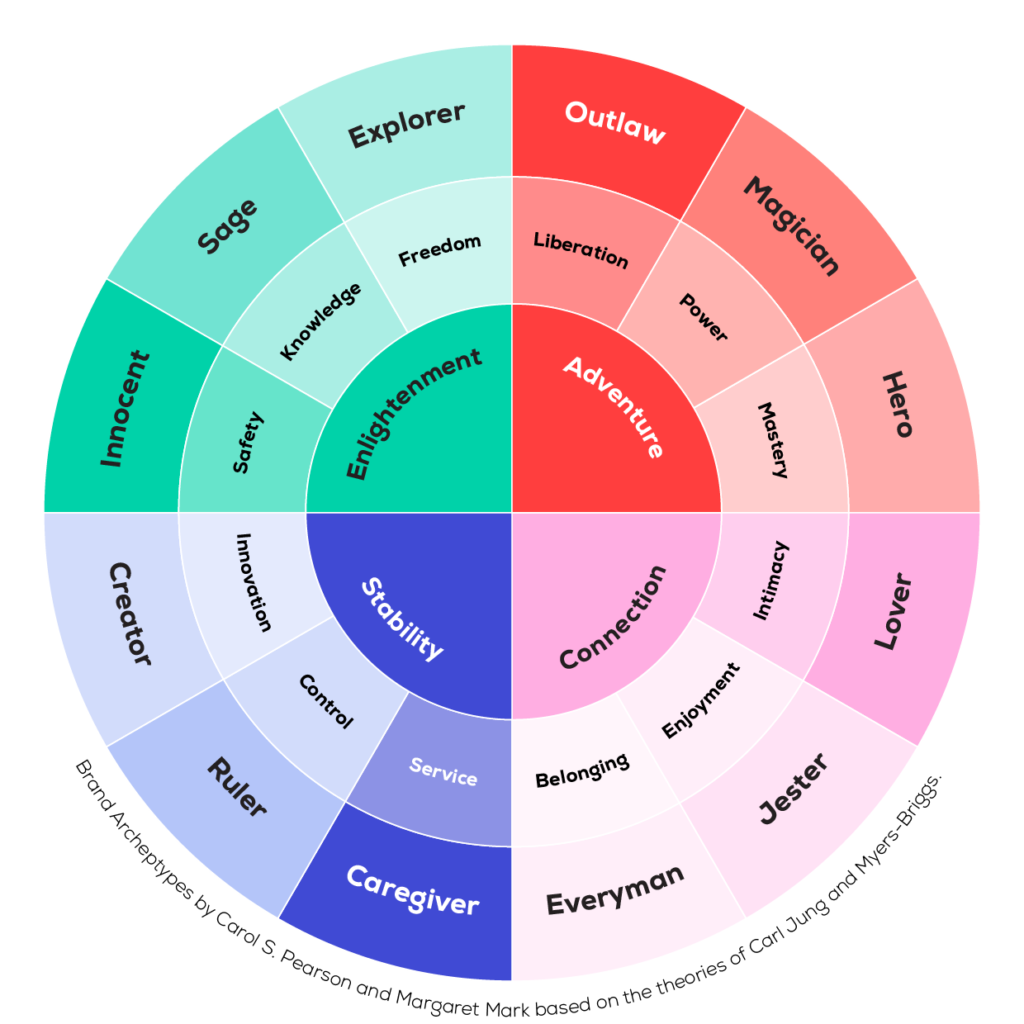
4. Brand archetypes
Carl Jung introduced the idea of archetypes – universal characters that tap into human instincts. Your brand archetype helps define the role your brand plays in your audience’s life.
Some classic examples include:
- The Rebel: Challenges the status quo (e.g., Harley-Davidson, Virgin).
- The Caregiver: Nurtures and supports (e.g., Johnson & Johnson, Dove).
- The Explorer: Seeks adventure and discovery (e.g., Patagonia, Jeep).
Choosing an archetype helps you shape your brand’s story, making it more relatable and emotionally engaging.
5. Key Messaging
At the heart of any strong brand strategy is key messaging – the cornerstone of how your brand communicates its value to the world. It’s not just ‘what’ you say but ‘how’ you say it, ensuring every interaction resonates with your target audience.
Key messaging serves as the foundation for your brand’s voice and narrative, shaping perceptions and creating emotional connections. It includes:
- Your brand promise: The primary commitment your brand makes to its customers. It’s the reason they choose you over competitors.
- Core values: The principles outlined earlier that guide your brand’s actions, decisions and communication.
- Unique selling proposition (USP): What sets your brand apart and makes it compelling in the marketplace?
- Tone of voice: The personality of your communication – as mentioned above, this could be bold, professional, playful, or empathetic.
Effective key messaging is consistent across all platforms and tailored to different contexts, from social media captions to pitch presentations. It creates clarity about who you are, what you offer and why it matters.
When done right, key messaging doesn’t just inform, it inspires, aligning your audience’s values with your brand’s mission. It’s the narrative thread that holds all other elements of your brand strategy together, ensuring every piece of content feels cohesive and intentional.
6. Visual identity
Your visual identity is the face of your brand. It includes your logo, colours, typography, imagery and design style. A strategic visual identity can:
- Reinforce your brand core: If your brand is all about innovation, a sleek, modern design reinforces that message.
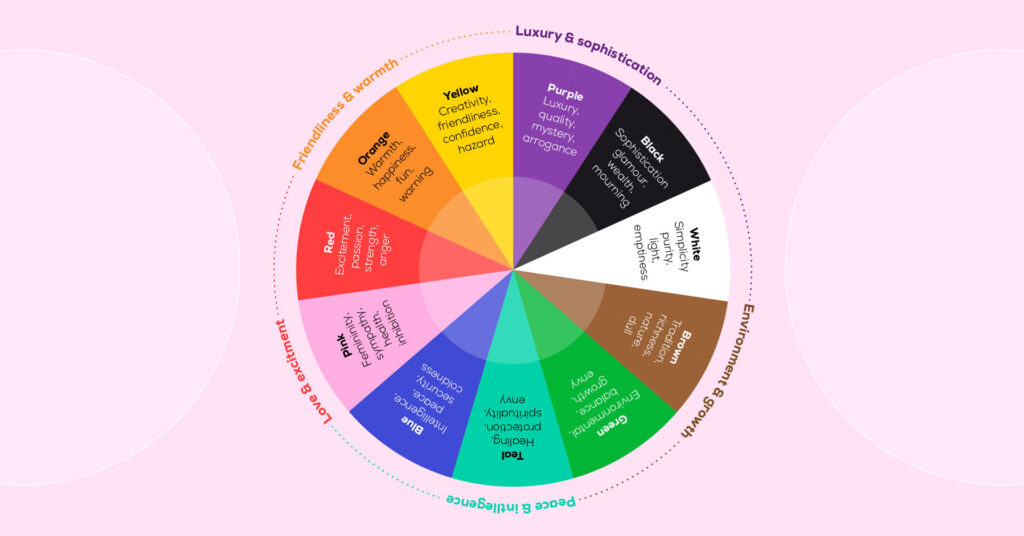
- Express your personality: Bold colours for a bold brand or soft pastels for a gentle, nurturing one.
- Support your brand archetype: A rebellious brand might use gritty visuals, while a caregiver brand might favour calming, reassuring designs.
For example, Spotify’s updated visual identity reflects its growth from a music app to a cultural platform, adopting a brighter, more vibrant palette and dynamic imagery that speaks to energy, creativity and inclusivity.
Dr. Ellen Hoadley of Loyola University Maryland claims consistent visuals, in particular colour, can increase brand recognition by up to 80%. We’re visual creatures – humans process images 60,000 times faster than text. When your visuals align with your strategy, you’re reinforcing your message on a subconscious level.
According to a report by Nielsen, 59% of consumers prefer to buy from brands that are familiar to them.
Check out our blog on colour psychology to help pick your brand colours.
Branding and the customer experience
Branding isn’t just about how you look or sound, it extends to every interaction a customer has with your brand. From the first point of contact to post-purchase support, every experience should reflect your brand’s values and personality.
Practical Tip: Evaluate each customer touchpoint (website, social media, customer service, product, packaging, etc.) to ensure they align with your brand strategy.
According to Lucidpress, consistent branding across all platforms can increase revenue by 23%. That’s not just good branding, that’s good business.
Measuring brand strategy success
Branding isn’t just about setting goals, it’s about measuring success and adjusting as needed. Key performance indicators (KPIs) might include:
- Brand awareness: How well do people know your brand?
- Customer engagement: How often do people interact with your brand?
- Customer loyalty and NPS (Net Promoter Score): How likely are customers to recommend your brand?
Tracking these KPIs ensures that your branding is delivering the desired results and allows you to refine your approach over time.
Why branding matters
A brand without a strategy and identity is like a ship without a navigator – you might float for a while, but you won’t get anywhere meaningful. A strong brand gives you purpose, direction and the tools to connect with your audience authentically. Here’s why it’s a game-changer:
- Clarity and consistency: No more guesswork. Everyone, from your team to your customers, knows what you stand for.
- Connection: A strong brand helps you form deeper, emotional connections with your audience.
- Differentiation: In a crowded market, a clear strategy helps you stand out.
- Longevity: Trends fade, but strategy endures. It’s the difference between a one-hit wonder and a timeless classic.
Practical Tip: Before redesigning that logo or posting another #MotivationMonday, ask yourself, ‘What’s the strategy behind it?’.
Ready to craft your brand?
Brands that make the biggest impact aren’t just visually stunning, they’re strategically unstoppable. If you’re ready to define your brand’s core, personality and visual identity, contact us today to begin crafting a brand that connects and drives real results.