
No one likes being treated like a number, and with the rise of AI, copy and marketing is starting to sound a little same-same as businesses look for ways to save time and outsource work. Whether it’s a generic ‘Dear Customer’ email or a bland product description that’s clearly been written by ChatGPT, we’ve all been the victim of impersonal marketing, which is why we need to talk about personalisation in marketing.
Take a moment to think about the last time a brand made you feel like they truly got you. Maybe an email that popped into your inbox with your name in the subject line and an offer you cared about. Or a cheeky Instagram ad felt like it was speaking directly to you. That’s the magic of personalisation in marketing, and sometimes it can be the difference between a sale and a missed opportunity.
Embracing personalisation in marketing is the not-so-secret sauce that can turn browsers into buyers, and buyers into lifelong customers.
Wait, What Do You Mean by Personalisation in Marketing?
Personalisation in copywriting is more than dropping a customer’s name into an email (though it’s a good start). It’s about tailoring your words (whether in emails, website copy, ads, or social captions) to reflect the reader’s interests, behaviours, needs and even their sense of humour.
It means writing with one specific person in mind, not a faceless crowd, because if you’re writing to ‘everyone’, you’re essentially writing to no one. When your audience feels like you’re speaking directly to them, they’re far more likely to listen, trust and convert.
Why Should Your Business Care?
The short answer? Because your customers do. Research shows that ‘71% of shoppers are frustrated with impersonal interactions, while 76% prefer personalised brands. Further, 82% are willing to share data for a more customised experience.’ And in a world where attention spans are shorter than a TikTok, those are numbers worth paying attention to.
Who does it well: The Iconic
Australian fashion retailer The Iconic nails personalisation across their platforms. Their emails don’t just say ‘Hey (name), check out our new arrivals’. They show you items based on your browsing history, size preferences and even your favourite brands. Their product descriptions speak in a fun, fashion-savvy tone that matches their target audience.
For example, their Beauty Kit features a detailed description, including copy such as ‘This limited-edition collection is the perfect gift for all beauty lovers (yourself included!). Spoil the ones you love this holiday season with an elite selection of makeup, skincare, hair care products and fragrances they’ll reach for again and again… and again… and again…’
The result? Customers feel seen. They click. They shop. They come back.
Who does it well: Vinomofo
Who doesn’t love wine with a side of personality? Vinomofo built their brand on banter, and it works. Their copy is unpretentious, punchy and peppered with colloquialisms that sound like your mate recommending a bottle at your Friday night BBQ.
They use customer data to send tailored offers, whether you’re a Shiraz lover or a sparkling enthusiast. Instead of solely focusing on their product, they make their customers feel like they belong in the club. For example, in this social post, they talk to their Australian audience about a Vegemite and wine pairing – an interesting combination, we must say!
The Science-y Stuff
Personalised copy taps into the psychology of attention and memory. When people see or hear something that reflects their own identity or preferences, their brain triggers emotional engagement, which is what drives action. Whether the action is clicking ‘Buy Now’, replying to your email, or tagging a friend in your Instagram post, it all starts with connection, and the connection starts with copy that feels personal.
Increasingly, we’re seeing businesses using humour to engage with a new generation, with the latest research showing 83% of Australians prefer a brand to be funny. Take beverage company, Liquid Death, for example. From the get-go, they’re personalising the copy as soon as their customer enters their site.
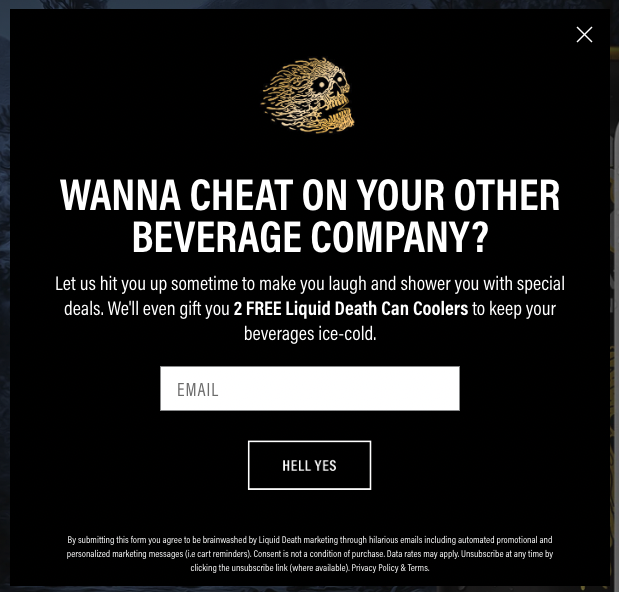
Be careful when playing with humour though – if you don’t nail it, it can go wrong very quickly.
Get Personal (Without Being Creepy)
Before you start stalking your target customers on Instagram or rambling in your eDMs, here’s what you need to nail personalised copy.
1. Know your audience like you know your coffee order
Before personalising your copy, you need to know who you’re talking to. Create detailed customer personas or avatars – what do they care about? What tone of voice do they use? What are their problems, and how does your product or service solve them?
The more specific you are, the more your copy can sound like a one-on-one conversation instead of a broadcast.
If you get stuck, use tools like Google Analytics, email marketing reports, or even a quick customer survey to gather insights and see what’s working well for your business. Don’t assume – ask!
2. Segment your emails and socials
Don’t send the same email to everyone on your list. Segment your database by behaviour, location, interests or buying history. Then write content that speaks to that group.
For example, a full-service finance company offering home loans, personal loans and business loans could segment their lists into each of these categories. Home loans could be broken down further to target niches such as first home buyers, investors and those looking to finance their next home. This allows you to create copy that truly resonates with your audience.
The same logic applies to social media. Use location tags, personalised captions and targeted ads to make your content more relevant.
3. Write like a human (who actually likes other humans)
Drop the jargon. Ditch the clichés. Speak in your brand’s voice, but make sure it feels natural and friendly, like you’re chatting to a friend over a cuppa.
Personalisation in marketing doesn’t have to be serious. It just has to sound real.
For example, instead of writing, ‘Our product offering is suited to customers seeking value-driven solutions.’, you could try something like, ‘Looking for a no-fuss solution that won’t blow the budget? We’ve got you.’
Simple but effective, right?
4. Use dynamic content where you can
If you’re sending emails or creating landing pages, platforms like Mailchimp let you insert dynamic content like names, recent purchases, or even birthday messages.
This means you could send a personalised eDM saying, ‘Hey (name), your last candle order smelled amazing – want to try something new this winter?’
It’s simple, powerful, and lets your customers know you’re paying attention.
5. Don’t just personalise, localise
Aussie audiences have a distinct tone and sense of humour.
Use it.
Reference things like the footy finals, public holidays, or uniquely local experiences – think tradies’ morning servo runs or kookaburras laughing at 5 am.
By writing with a local flavour, you build trust and familiarity, especially for small businesses that are competing with global brands.
Is It Really Necessary?
Writing a different email for every customer might sound like overkill. But personalisation doesn’t have to be complex. Start small. Automate what you can. Focus on key touchpoints like welcome emails, website headlines, product descriptions and social captions.
Every time you make someone feel like your copy was written just for them, you’re building loyalty. You’re building brand love. And you’re making your marketing much more effective.
Why Personalisation in Marketing Matters
Want the TLDR (Too Long, Didn’t Read) version of this blog? Here are the main points:
- It captures attention: Inboxes and feeds are crowded – personal copy cuts through the noise.
- It builds trust: When your audience feels you understand them, they’re more likely to buy.
- It increases conversions: Relevant messages lead to better results.
- It keeps customers coming back: Personalised experiences lead to loyalty, referrals, and more sales.
Next time you write some copy, ask yourself: Would I respond to this? If not, it might be time to get a little more personal.
If you’re sweating at the thought of getting off ChatGPT and going rogue (i.e., writing your own copy), we get it, and we’re here to help! Get in touch with the Oraco team today to help turn your words into copy that connects.