
Customer acquisition is one of the most critical goals for any growing business, and one of the hardest to get right. It’s not just about getting your name out there; it’s about turning strangers into loyal customers through the right messaging, strategy, and execution. That’s where acquisition campaigns come in.
In this blog, we look into what customer acquisition campaigns are, how they work, and why they matter. We’ll walk you through some of the most effective types – like PR, product launches, and influencer marketing – and share real-world examples to help you start building your own.
Whether you’re a start-up looking for your first customers or an established brand ready to expand your audience, this guide will give you the tools to create acquisition campaigns that deliver results.
What is a Customer Acquisition Campaign?
A customer acquisition campaign is designed to do one thing: turn strangers into customers. As HubSpot explains, it’s ‘the process of onboarding new customers or clients to your business.’ But getting someone to buy from you isn’t just about showing up in their feed. It requires a clear strategy, a deep understanding of your target audience, and compelling creative.
One way to make this easier is to build a detailed customer avatar. This helps you clarify who you’re targeting, what they care about, and how to reach them. With that in mind, let’s look at three common types of customer acquisition campaigns and how some major brands have nailed them.
1. Public Relations (PR) Campaigns
PR campaigns are all about generating buzz and getting your brand in front of new audiences – often through media, partnerships, or public stunts. If done right, they can supercharge brand awareness and put your business on the radar of potential customers.
Why It Works
A PR campaign can capture attention from people who may never have encountered your brand otherwise. It can also build credibility by appearing in trusted media outlets.
Case Study: Nando’s
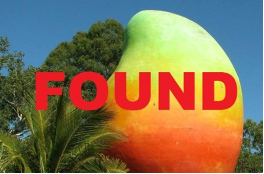
While not recent, Nando’s infamous #Mangogate campaign still earns its spot here due to its creative impact. With help from Bowen Tourism, the fast-food brand temporarily ‘stole’ the iconic Big Mango in 2014 to promote its new Mango & Lime flavour. The mango disappeared overnight and left the public scratching their heads for 24 hours before Nando’s took responsibility for the disappearance with a video reveal. The mango then made its way around Australia, popping up in popular locations such as Melbourne’s CBD. Eventually, the message behind this stunt was clear:
‘Known for its addictive flame-grilled PERi-PERi chicken, Nando’s is launching Mango and Lime to cater for people who don’t always want hot and spicy.’
Despite mixed public reactions, the campaign trended #1 on Twitter in Australia and reached audiences in over 50 countries.
Key Takeaways
You don’t need to steal fruit to run a successful PR campaign, but you do need to be bold, creative, and prepared for a range of outcomes. To stay relevant, consider tying your campaign to current events or seasonal moments that matter to your audience.
PR campaigns can rapidly elevate your brand’s visibility, but they require strong planning, a clear message, and some risk tolerance. Set measurable goals (e.g., media reach, earned impressions, sentiment tracking) before launching.


2. Product Launch Campaign:
Product launch campaigns are designed to generate interest in a new product and encourage your target audience to engage, buy, or spread the word.
Why It Works
If your audience has never bought from you, a compelling product launch gives them a reason to start. It builds excitement and urgency around something new.
Case Study: Lenovo
When Lenovo launched its Yoga Tablet, the brand went beyond traditional advertising. They created yoga-themed activations in Sydney and Melbourne, where people could participate in live challenges via a custom app to win a tablet. To participate in the competition, entrants needed to download the Lenovo Yoga Challenge App and participate in a range of guided yoga moves based on the new tablet. Marketing news platform, Campaign Brief reported that, ‘Once the customer had reached the correct pose and aligned the screen with their face, they could enter the competition by sending in a snapshot. The app also superimposed consumers’ faces onto extreme contortionist yoga poses while in the Lenovo Yoga Studio, enabling them to share ‘their moves’ via social networks.’
Key Takeaways
The success of this campaign was reflected in Lenovo’s reported sales results and overall orders acquired, reporting they achieved a record high of 3.4 million shipments, up over 300 per cent year-over-year.
While this campaign dates back a few years, the strategy still applies: make your audience part of the experience, not just observers. More recent campaigns (like Apple’s Vision Pro launch in 2024) continue to show how immersive experiences drive acquisition.
Product launches work best when they’re interactive, creative, and clearly tied to your product’s benefits. Use a mix of channels – social, in-person, influencer, paid – to meet your audience where they are.
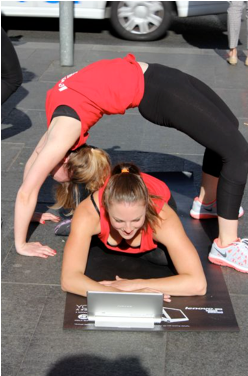
Image source: Campaign Brief
3. Influencer Marketing Campaign
Influencer marketing uses trusted voices to endorse your product and help you tap into their built-in audiences. It’s an activity more businesses are investing in to help support their brand, generate awareness, and build up their content library. Social media management platform Sprout Social describes it as, ‘A type of social media marketing that uses endorsements and product mentions from influencers – individuals who have a dedicated social following and are viewed as experts within their niche.’
Why It Works
People are more likely to trust recommendations from individuals they follow and admire. Influencer partnerships can help your brand build trust quickly and reach a targeted, engaged audience.
Case Study: Heinz
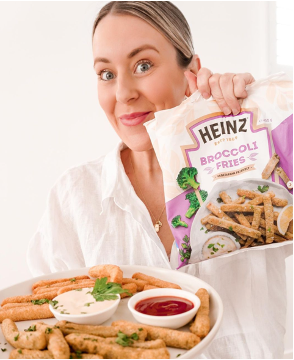
In 2021, Heinz launched its frozen veggie snacks range with the help of Australian parenting influencers like Rebecca Little, Kim from @snowflakespalmtreesandpretzels and Jodie from @a.handful.of.love. These influencers created relatable, family-oriented content to promote the new Broccoli Fries and Cauliflower Fries – directly speaking to Heinz’s ideal audience: mums and health-conscious parents.
Key Takeaways
The content felt authentic and native to each creator’s feed. With rising trust in influencer marketing – 89% of marketers in 2024 say influencer ROI is comparable or better than other channels – this kind of campaign is more relevant than ever.
Choose influencers who align with your brand values and who genuinely connect with your target audience. Focus on quality engagement, not just follower counts.

How Can the Oraco Team Help?
Now that you’ve explored the different types of customer acquisition campaigns, you’re better equipped to think creatively about how to grow your customer base. Whether you’re stealing attention with PR, building excitement around a launch, or partnering with influencers, the key is to be strategic, consistent, and audience-focused. If the thought of pulling off one of these campaigns is overwhelming, get in touch with the Oraco team today for support.