Every memorable brand leaves a mark. Some stay with us for years. Not because of a clever logo, a catchy slogan or even a great product alone. They stay with us because they mean something.
You can feel it in the way they speak, the stories they tell, the people they attract and the choices they make. Every part feels connected, as though it belongs to something bigger.
That isn’t by accident. Brand distinction begins beneath the surface, with a clear understanding of what makes a business unmistakably itself.
Looking Beneath the Surface
Branding has become increasingly focused on expression.
Businesses invest months refining logos, choosing colours and perfecting websites, hoping the right visual identity will make them memorable. While these things are important, they rarely answer the bigger question.
What is it that makes this business worth remembering in the first place?
We’ve found the answer is rarely on the surface. It lives in the experiences that shaped a business, the beliefs that guide its decisions, the future it’s working towards, the people it exists to serve and the impact it hopes to have. These are the things that give a brand meaning long before they influence a logo, a message or a visual identity.
The Story Behind our Philosophy
I’ve always been fascinated by symbolism, and particularly by the way humans have used symbols to communicate meaning long before modern branding existed.
Across history, people have used visual systems to represent ideas that were too complex, abstract or important to explain literally. Ancient civilisations recorded stories and beliefs through hieroglyphs, carvings and markings. Runes carried meaning beyond their individual forms. Religious and cultural symbols came to represent entire belief systems. Even today, a single shape, colour or object can communicate something instantly, often without a word being spoken.
What fascinates me is how something so simple can hold so much. Symbols become shorthand for ideas, memories and beliefs. A tattoo can represent a lifetime of experiences. A recurring object in a film can quietly reveal something about a character. A single phrase can come to embody an entire philosophy. We instinctively attach meaning to the things around us, then use those things to communicate who we are and what matters to us.
That instinct has existed throughout human history. While the meanings themselves differ between cultures, the act of using symbols to express identity, belief and shared understanding is something we all seem to have in common.
That’s probably why logos have always interested me. At their best, a logo is doing something humans have done for thousands of years. It takes something intangible, an idea, a belief or an identity, and gives it a recognisable form. Over time, that mark comes to represent far more than the symbol itself ever could.
But symbolism in branding goes much deeper than a logo. It lives in the words we choose, the stories we tell, the imagery we return to and the metaphors that help people understand who we are. Sometimes a single word or phrase can carry an entire way of thinking.
That way of seeing the world naturally found its way into my work. Over time, I realised I wasn’t just looking for a business’s products or services. I was looking for the meaning behind them.
From Symbolism to Strategy
As I began working with more businesses, I realised I was approaching brand strategy much the same way.
Every workshop, conversation and discovery session became an opportunity to look beyond what was immediately visible. I wasn’t just interested in what a business did, but what had shaped it, why it existed, what it believed, where it was going, the people it wanted to reach and the impact it hoped to leave behind.
What surprised me wasn’t how different every business was. It was how often the same themes emerged.
Regardless of industry, size or stage of growth, the most memorable brands seemed to share a common set of defining characteristics. They all had an origin, belief system, direction, community, identity, way of expressing themselves, ripple they hoped to create and a vision for lasting beyond the present.
As those themes became clearer, I began giving each one a symbolic form. Not to simplify them, but to give each idea a form capable of carrying meaning beyond words. Just as symbols have helped us communicate beliefs, identities and ideas throughout history, these marks became a visual language for understanding brands.
Together, these eight marks became the philosophy that now sits at the heart of how we understand, shape and express brands.
The Eight Brand Marks
If symbols have always helped us understand complex ideas, the Eight Brand Marks became my way of understanding brands.
Each mark represents a defining element found within memorable businesses, uncovering a different part of their story. Together, they reveal the anatomy of a brand that is distinct, meaningful and unmistakably its own.
They’re not a checklist, nor are they a formula for creating a successful brand. They’re lenses through which we understand a business.
Every business already has these marks. Sometimes they’re clearly expressed. Other times they’ve become hidden beneath years of growth, changing priorities or assumptions about what branding should look like. The role of brand strategy isn’t to invent them, but to uncover them, understand how they connect and express them in a way that’s both meaningful and memorable.
While the marks are presented in a sequence, they don’t exist in isolation. A brand’s origin shapes its beliefs. Those beliefs influence its direction. Its direction attracts the right people. Every mark influences the next, creating a connected system that shapes how a business is understood, experienced and remembered.
No single mark defines a brand. It’s the relationship between them that creates brand distinction.
 Origin
Story • Legacy • Evolution
Every memorable brand has a history, but Origin is about much more than a timeline. It’s the experiences, decisions and defining moments that have shaped who you are today.
The businesses with the strongest foundations understand that their past isn’t something to move on from. It’s something to build upon. Origin provides the context for everything that follows.
Symbol:
The Tree Rings
Line of enquiry:
Where have you come from?
Guiding questions:
- What inspired the business to begin?
- Which moments shaped its direction?
- What parts of the story still influence decisions today?
Before understanding where a brand is going, we need to understand what guides it. That’s where we look next.
 True North
Beliefs • Purpose • Principles
Every decision a brand makes is influenced by something deeper. True North explores the beliefs, purpose and principles that remain constant, even as the business evolves.
When a brand understands what it stands for, consistency becomes less about rules and more about conviction.
Symbol:
The Stars
Line of enquiry:
What guides you?
Guiding questions:
- What do you believe?
- What principles won’t you compromise?
- What guides your decisions?
Belief gives a brand direction, but every direction needs a destination.
 Destination
Vision • Ambition • Possibility
Brands don’t exist to preserve the past. They exist to create the future.
Destination explores the vision a business is working towards and the role it hopes to play over time. A compelling destination doesn’t just guide internal decisions. It gives customers, employees and partners something they want to be part of.
Symbol:
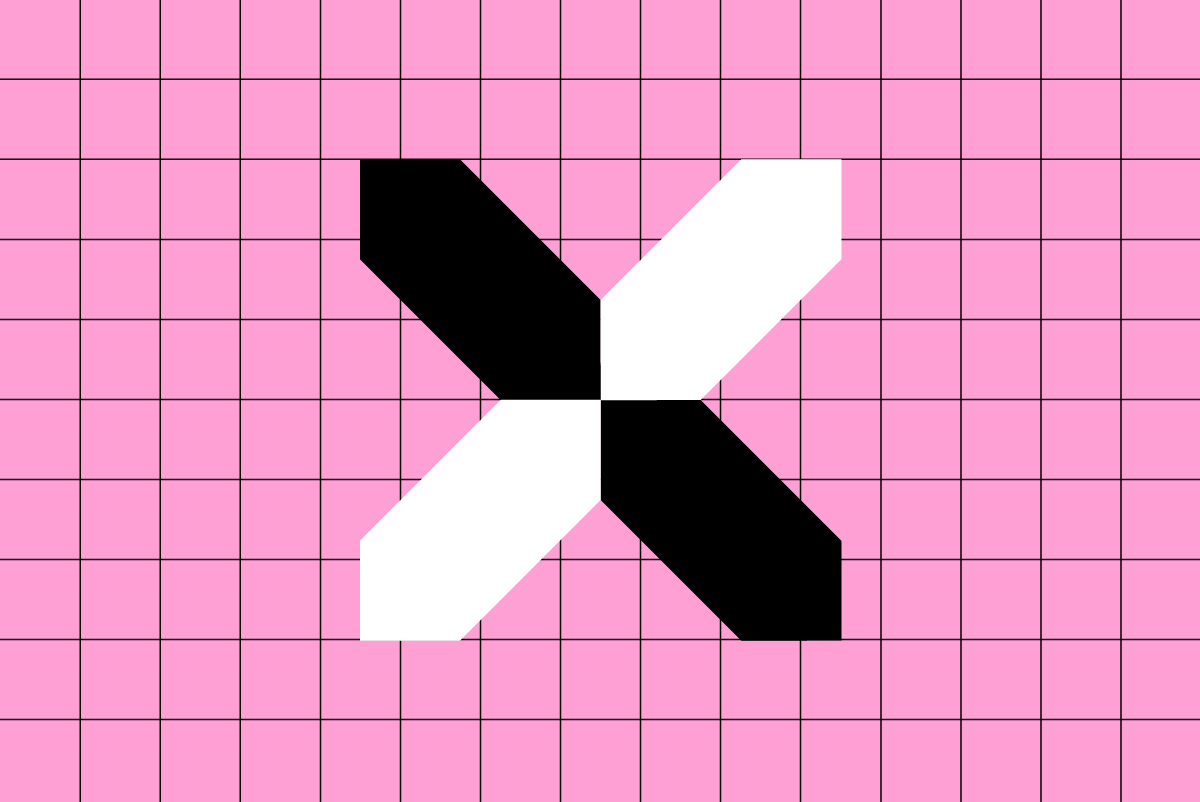
X Marks the Spot
Line of enquiry:
Where are you going?
Guiding questions:
- What future are you building?
- What change are you working towards?
- What would success ultimately look like?
A destination only matters if people choose to travel with you.
 Belonging
Community • Connection • Trust
The strongest brands create more than customers. They create connection.
Belonging explores the people a brand serves, the communities it builds and the shared understanding that turns transactions into relationships. When people genuinely feel they belong, loyalty becomes something far deeper than repeat business.
Symbol:
The Mountains
Line of enquiry:
Who are you here for?
Guiding questions:
- Who are you trying to serve?
- Who naturally connects with your brand?
- What brings people together?
Once we understand who a brand is for, we can better understand who it is.
 Essence
Identity • Character • Presence
Essence is the personality of a brand. It’s the feeling people are left with long after a conversation, a purchase or a visit to your website.
While visual identity plays a role, Essence goes far beyond design. It lives in every interaction, every decision and every expression of the brand.
Symbol:
The Aura
Line of enquiry:
How are you experienced?
Guiding questions:
- What do you want people to remember?
- How should your brand feel?
- What makes you unmistakably you?
Identity is only meaningful if it’s expressed in a way people can recognise.
 Awakening
Perspective • Imagination • Originality
Awakening is the moment a brand begins to see itself differently.
It challenges assumptions, encourages new perspectives and explores more original ways of expressing what already exists. Rather than following conventions, Awakening asks what becomes possible when a business embraces its own perspective.
Symbol:
The Rising Sun
Line of enquiry:
How might you express yourself differently?
Guiding questions:
- What makes your perspective different?
- What assumptions are worth challenging?
- How might you express your story more authentically?
Great brands don’t stop at being distinctive. They leave something behind.
 Ripple
Influence • Change • Legacy
Every action creates a ripple.
Ripple explores the influence a brand has beyond its products or services. Whether it’s changing an industry, strengthening a community or shaping individual lives, memorable brands leave an impact that extends far beyond the transaction itself.
Symbol:
The Waves
Line of enquiry:
What change are you creating?
Guiding questions:
- What difference are you making?
- How do people benefit because you exist?
- What mark do you hope to leave?
Creating impact is one thing. Sustaining it is another.
 Equilibrium
Balance • Sustainability • Longevity
The strongest brands aren’t built for a single campaign or season. They’re built to endure.
Equilibrium explores the balance required for long-term success. It considers how a brand continues to evolve while remaining true to what made it meaningful in the first place.
A memorable brand isn’t simply one that’s recognised today. It’s one that’s still relevant tomorrow.
Symbol:
Balance
Line of enquiry:
How do you make it last?
Guiding questions:
- What keeps your brand resilient?
- How will you continue to evolve?
- What ensures your story continues?
Uncovering Brand Distinction
The Eight Brand Marks aren’t intended to sit in a strategy document. They’re designed to shape the way a brand thinks, communicates and grows.
Every business already has these marks. Sometimes they’re immediately visible. More often, they’re buried beneath years of assumptions, day-to-day decisions and the natural complexity of running a business.
That’s why our role isn’t to invent brand distinction. It’s to understand it.
Through conversation, observation, research and strategic workshops, we uncover the patterns, stories and defining moments that reveal each mark. Only then do we begin expressing those discoveries through strategy, messaging, design and every other part of the brand.
Every Brand Leaves a Mark
Every business leaves a mark.
The Eight Brand Marks weren’t created to give businesses a story. They were created to help uncover the one that already exists.
The story is already there.